Logo

PROPixx MRI

1440 Hz projector

The PROPixx MRI is a unique DLP LED projector which has been designed to be the most flexible display possible for vision research. The PROPixx MRI features a native resolution of 1920 x 1080, and can be driven with refresh rates up to 480 Hz in RGB mode (1440 Hz greyscale) with deterministic timing. The PROPixx MRI uses high brightness LEDs as a light source, giving a larger color gamut, better stability and much longer lifetime than halogen light sources (60,000 hrs vs 2,000 hrs).

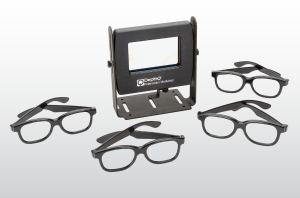
Our LEDs also support high bit depth, and high frequency full color stimulation, which would not be possible with a color-wheel/halogen architecture. For stereo vision applications, our high speed circular polarizer can project stereoscopic stimuli for passive polarizing glasses at up to 400 Hz.

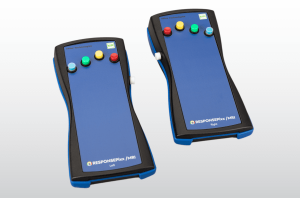
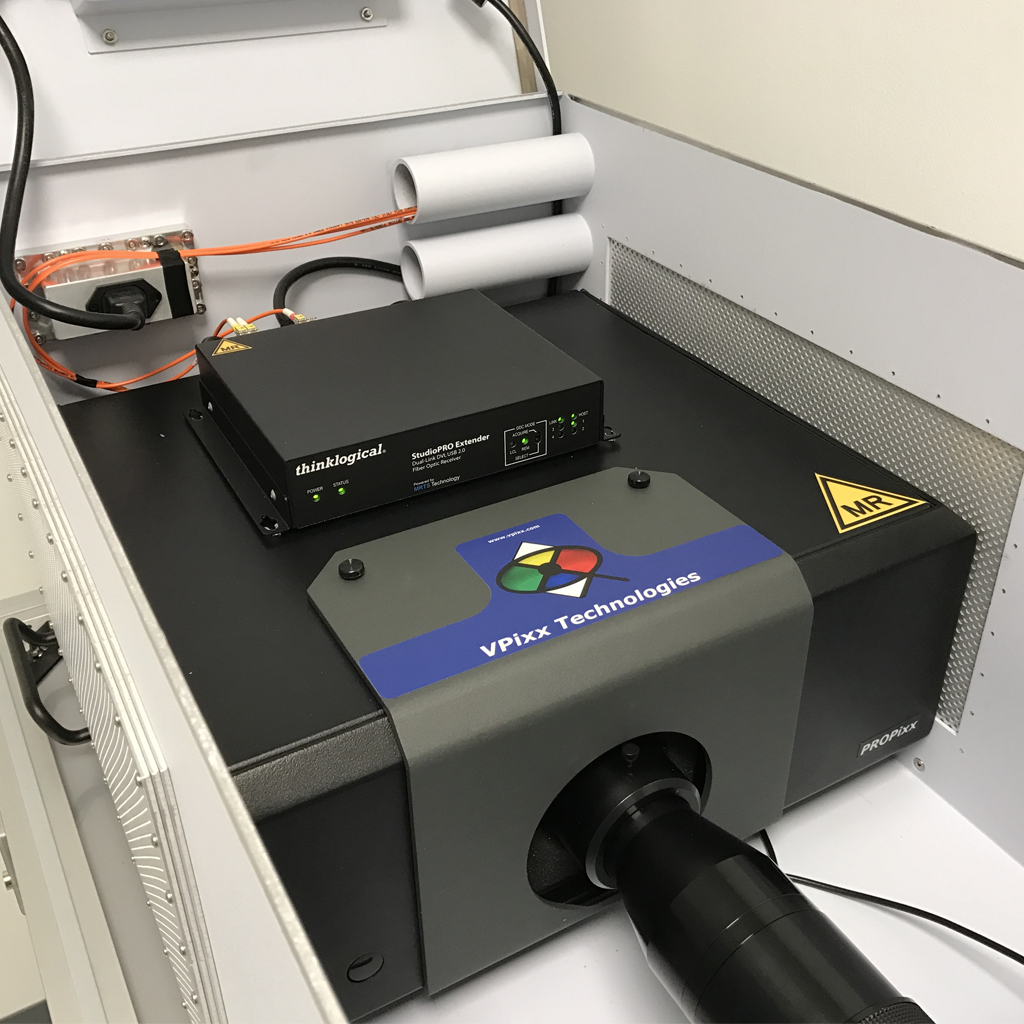
In addition, the PROPixx MRI includes an array of peripherals which often need to be synchronized to video during an experiment, including a stereo audio stimulator, a button box port for precise reaction-time measurement, triggers for electrophysiology and eye-tracking equipment, and even a complete analog I/O subsystem. You can now successfully synchronize all of your subject I/O to video refresh with microsecond precision. The PROPixx MRI is available with multiple projection lens options including long-throw lenses.

Combine the PROPixx MRI with the TRACKPixx MRI 2kHz binocular eye tracker, and experience the simplicity of a single clock timebase for all your data!

Available with LabMaestro Simulator
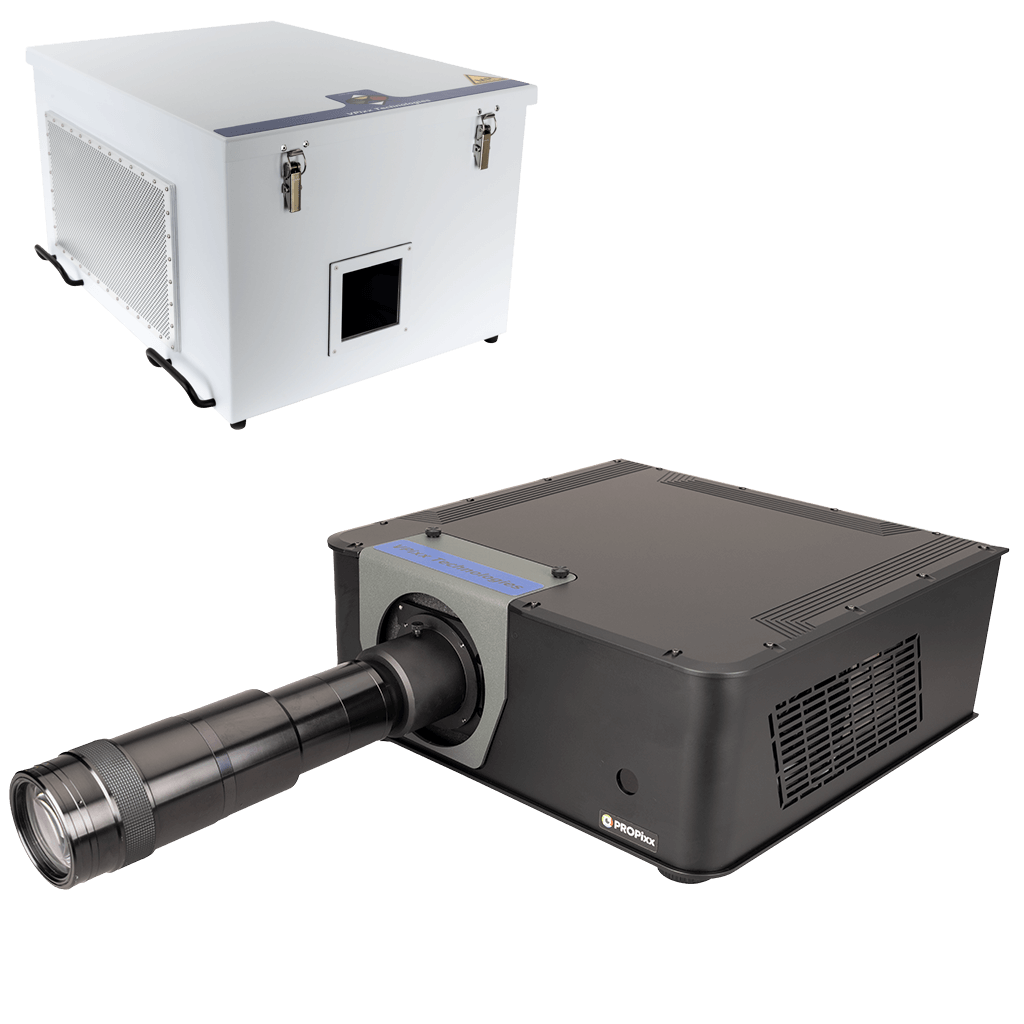
PROPixx 1440Hz MRI projector

PROJECTOR SPECIFICATIONS

  • Up to 12 bits of RGB intensity
  • Up to 1920 x 1080 resolution
  • Up to 480 Hz refresh rate (color)
  • Up to 1440 Hz refresh rate (greyscale)
  • Linear gamma
  • RGB LED light source
  • Lamp life: 60 000 hours
  • Multiple lenses available

Optimized for reduced EMI at the frequency operation of a 1.5T, 3T or 7T scanner

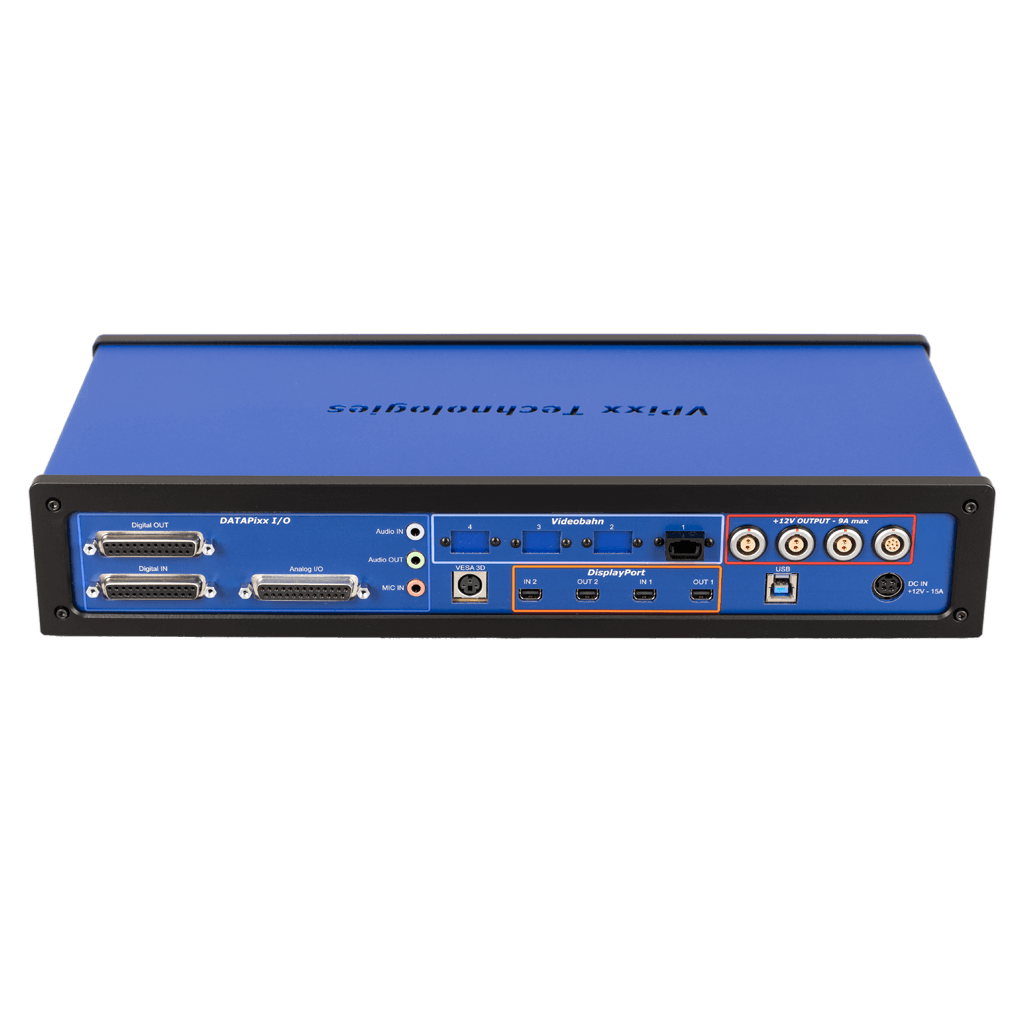
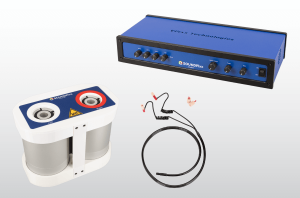
synchronized I/O hub

CONTROLLER WITH SYNCHRONIZED I/O

  • Inputs and outputs are time stamped with MRI trigger pulses
  • Button box interface
  • 24 TTL trigger inputs and outputs
  • Stereo audio input and output
  • Analog inputs and outputs
  • Interface for 3D circular polarizer
  • DisplayPort output for console monitor
  • DisplayPort over fiber optics
  • USB 2.0 over fiber optics

All digital, analog, and audio inputs and outputs feature microsecond synchronization to video refresh

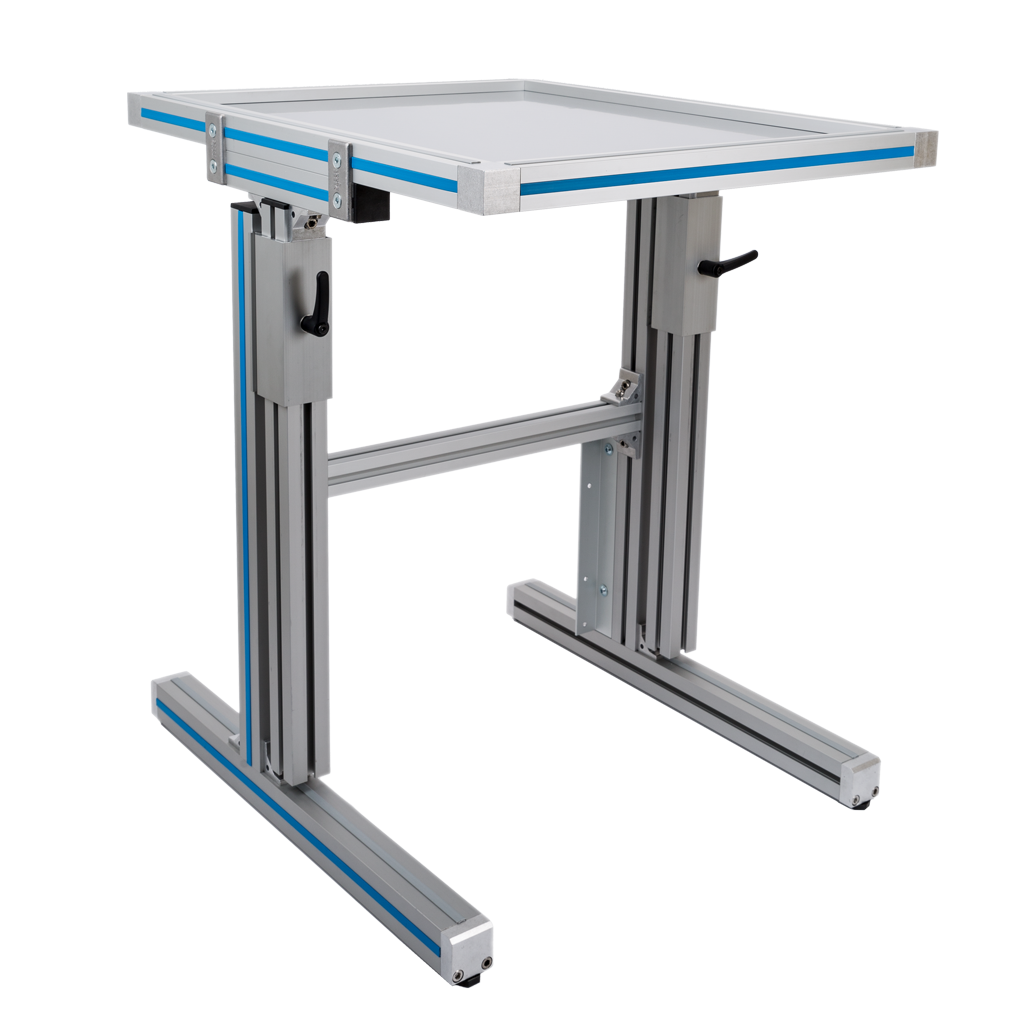
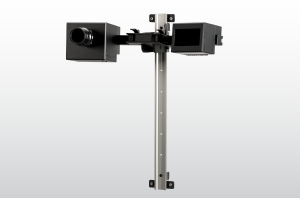
OPTIONAL STAND

OPTIONAL STAND

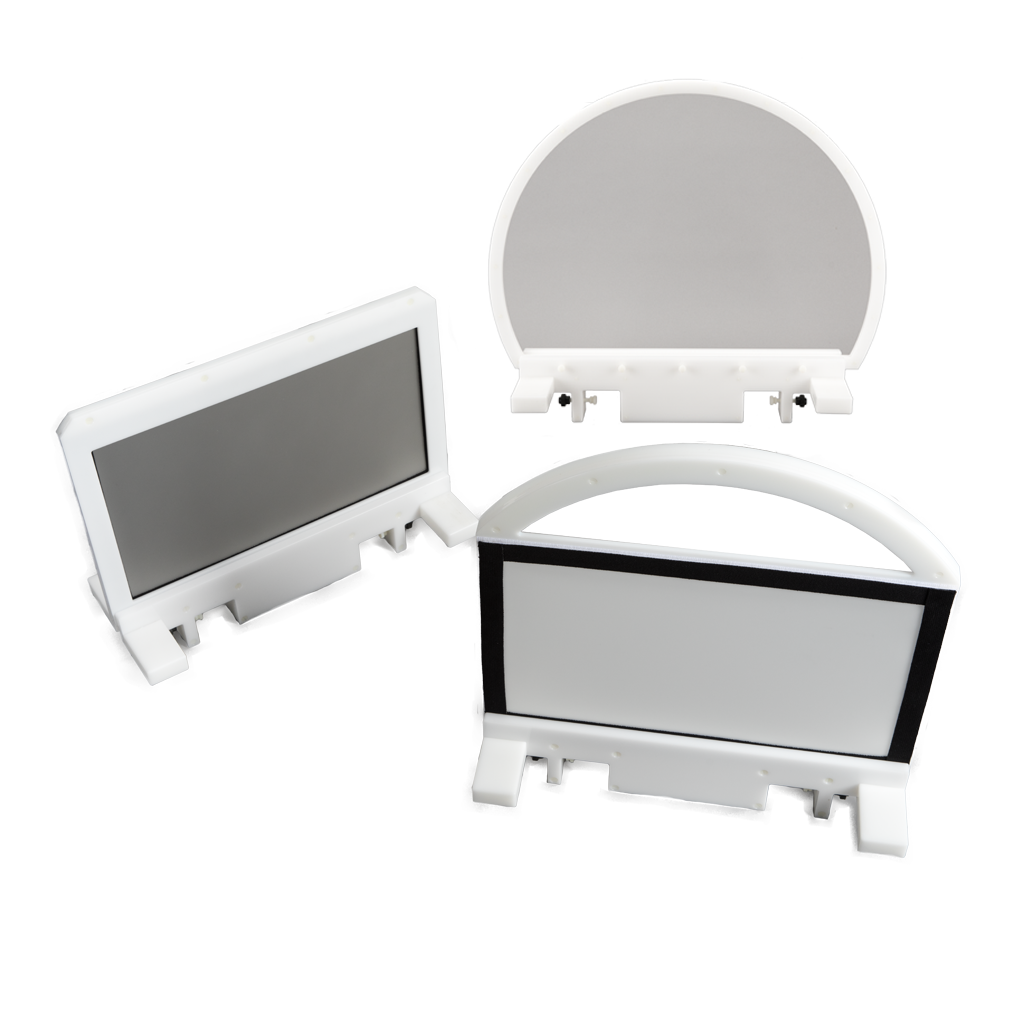
OPTIONAL MRI SCREENS

OPTIONAL MRI SCREENS

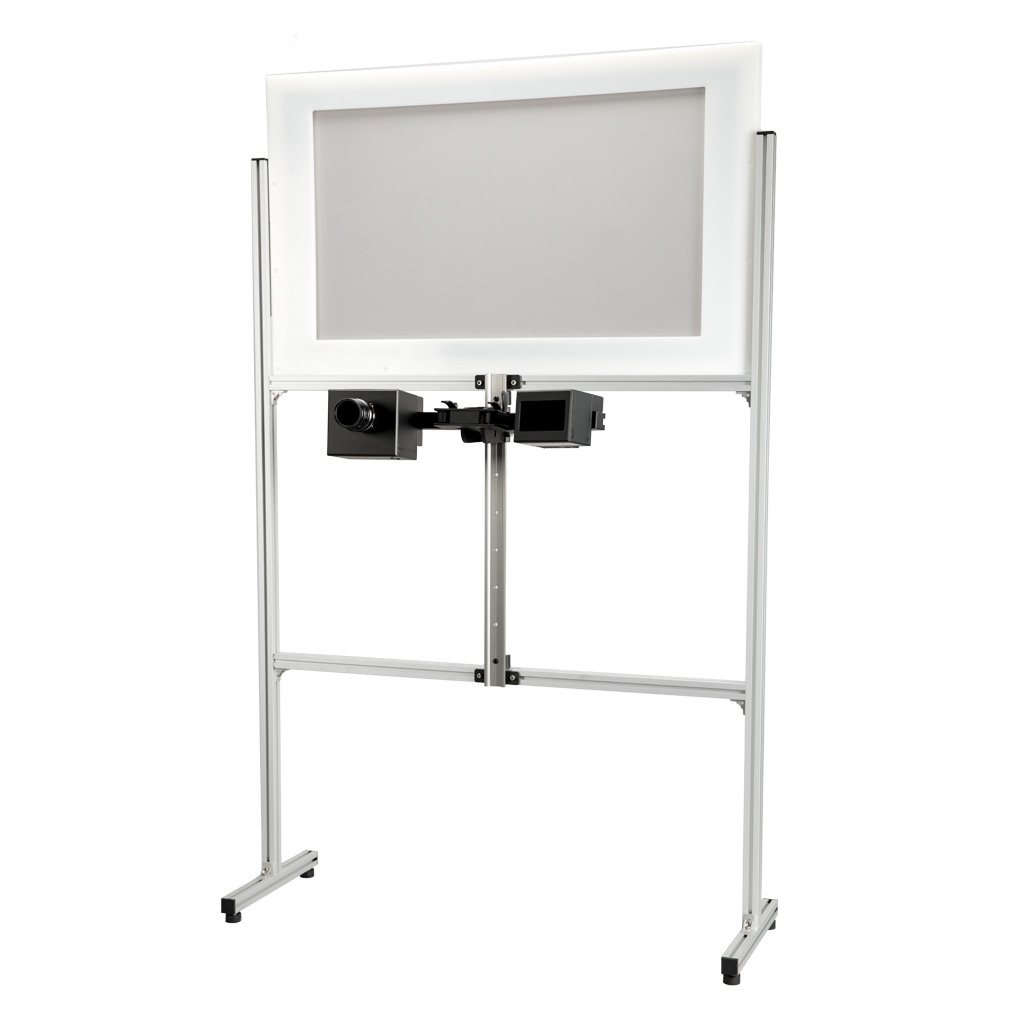
OPTIONAL IN-BORE SCREENS

OPTIONAL IN-BORE SCREENS

  • Display resolution: 1920(H) x 1080(V) pixels
  • Display type: Texas Instruments DMD 0.95”
  • Aspect ratio: 16×9
  • Illumination system: RGB LED
  • Contrast: 2 000:1
  • Brightness: 400-600 lumens
  • Lamp life: 60 000 hours via solid state illumination
  • Up to 12 bits of resolution on each of the RGB channels
  • Up to 480 Hz refresh rate (RGB), 1440 Hz refresh rate (Greyscale)
  • IR remote control

  • Video input: 1920 x 1080 pixels, 24 bits (Dual link DVI)
  • Deterministic timing between reception of video signal and update of display pixels
  • Completely bypass all image processing “enhancements” prevalent instandard consumer projectors

  • Number of digital inputs: 24 on db-25 connector
  • Input termination: > 20 kΩ pullup to 3.3 V
  • Input tolerance: 5 V

  • Number of digital outputs: 24 on db-25 connector
  • Output drive stage: 5 V through 25 kΩ series resistor
  • Maximum output current:
    – Source: 15 mA
    – Sink: 12 mA

  • Number of channels: 16 (or 8 differential), on DB-25 connector
  • Converter resolution: 16 bits
  • Maximum sampling rate: 200 kSPS per channel
  • Frequency programming modes:
    • Samples per second or per video frame
    • Nanoseconds per sample
  • Simultaneous sampling across all channels
  • Input range: ±10 V
  • Input impedance: 1.6*10Ω // 3 pF
  • Absolute maximum input tolerance: ±12 V

  • Number of channels: 4 on DB-25 connector
  • Converter resolution: 16 bits
  • Maximum sampling rate: 1 MSPS per channel
  • Frequency programming modes:
    • Samples per second or per video frame
    • Nanoseconds per sample
  • Simultaneous output updates
  • Output range: ±10 V
  • Drive capability: ±25 mA, 250 mW per channel

  • Audio line in, microphone in, speaker out, on 3.5 mm jacks
  • Stereo microphone input amplifier resistance: 20 kΩ
  • Microphone sampling rate: 96 kHz
  • Programmable microphone bias voltage range: 2.0 V to 3.1 V
  • Stereo DAC sampling rate 96 kHz

  • Adjustable front/rear feet

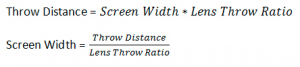
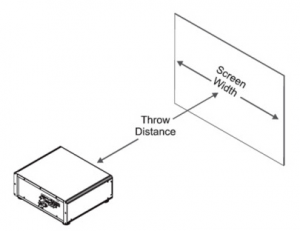
Type | Throw Ratio | Focus Range
Super short-throw lens | 0.73 : 1 | 3.18 – 4.27 ft
Super short-throw lens | 0.9 – 1.2 : 1 | 2.5 – 7.5 ft
Short-throw lens | 1.56 – 1.86 : 1 | 4.0 – 23.0 ft
Long-throw lens | 1.85 – 2.40 : 1 | 4.0 – 32.0 ft
Super long-throw lens | 2.4 – 4.0 : 1 | 5.0 – 39.0 ft
Super long-throw lens | 3.3 – 5.94 : 1 | 4.0 – 40.0 ft
Super long-throw lens | 4.0 – 7.0 : 1 | 4.0 – 40.0 ft
Super long-throw lens | 6.3 – 11.0 : 1 | 5.0 – 40.0 ft
Super long-throw lens | 8.9 – 14.83 : 1 | 5.0 – 40.0 ft

LENS SHIFT :

Vertical: 0.6 of frame if horizontal is at 0% position
Horizontal: 0.15 of frame if vertical is at 0% position

NOTE: 0.73 super short-throw lens has NO LENS SHIFT

  • Power consumption: 280 W
  • Input voltage: 48 VDC – 5.21 A
  • International AC adaptor input: 90 VAC – 264 VAC (47 Hz – 63 Hz)

Software support includes a low-level ANSI C API, MATLAB/Octave and Python libraries for use under Microsoft Windows, Ubuntu Linux, and macOS

User manual Download